Reading Theme

Midnight Studio
Warm Sepia
Old Parchment
Clean Paper
17px
Chapters
3D Light Study
1. The four basic forms2. The values of light3. Where the light comes from4. Hard light, soft light and distance5. Cast shadows and lamp height6. Portrait lighting patterns7. The planes of the head8. Hands and feet9. The figure and the mass10. Colour, temperature and the second lamp11. Composing a still life with light
VOLUX Academy — 3D Light Study

Where the light comes from

Front, three-quarter, side, back, top and below
Lesson 3 of 11FoundationsAcademy and Pro
Overview

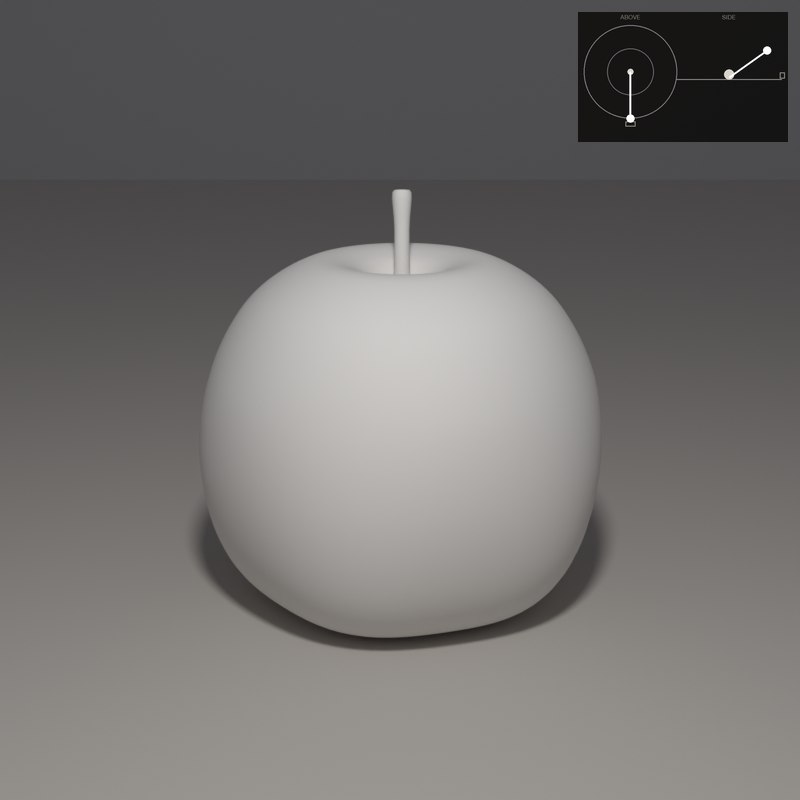
The same object under the same lamp looks completely different when the lamp moves. Light from the front flattens.
None
in front, 35° above · values on the form 48% to 78%

Light from the side carves. Light from behind turns the form into a silhouette with a bright rim.

0°90°180°-90°CAMERATHE SET-UPS FROM ABOVE: + IS TOWARD THE PICTURE'S LEFTFRONT 0°3/4 45°SIDE 90°BACK 140°RIM 165°TOP 0°BELOW 0°

Light from above makes shadows pool under the form; light from below looks unnatural because we are used to the sun overhead. Choosing a direction is choosing what the viewer will see.

· · ·
Read the light

What to look for

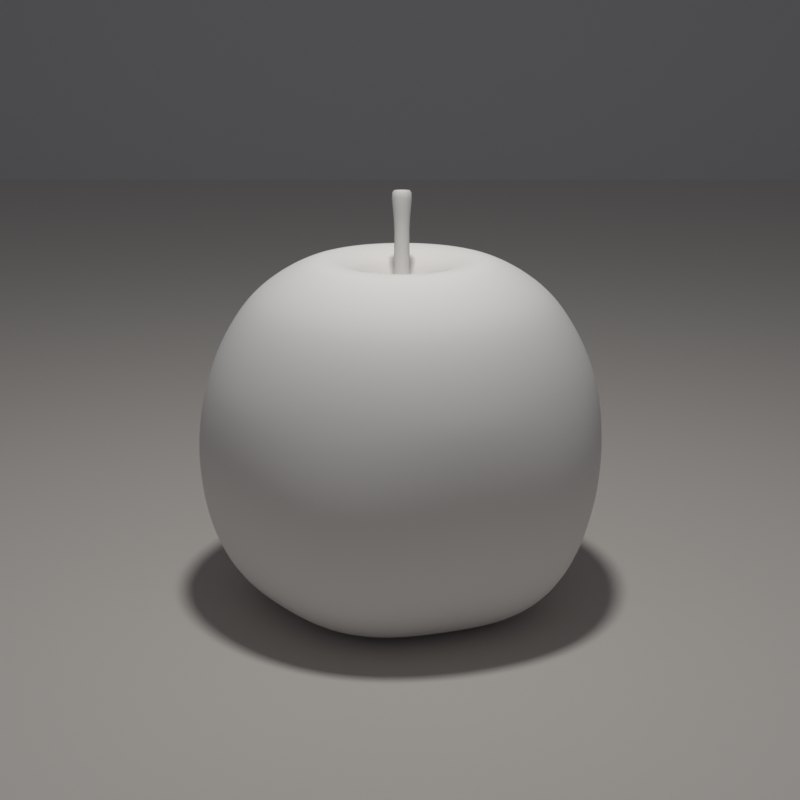
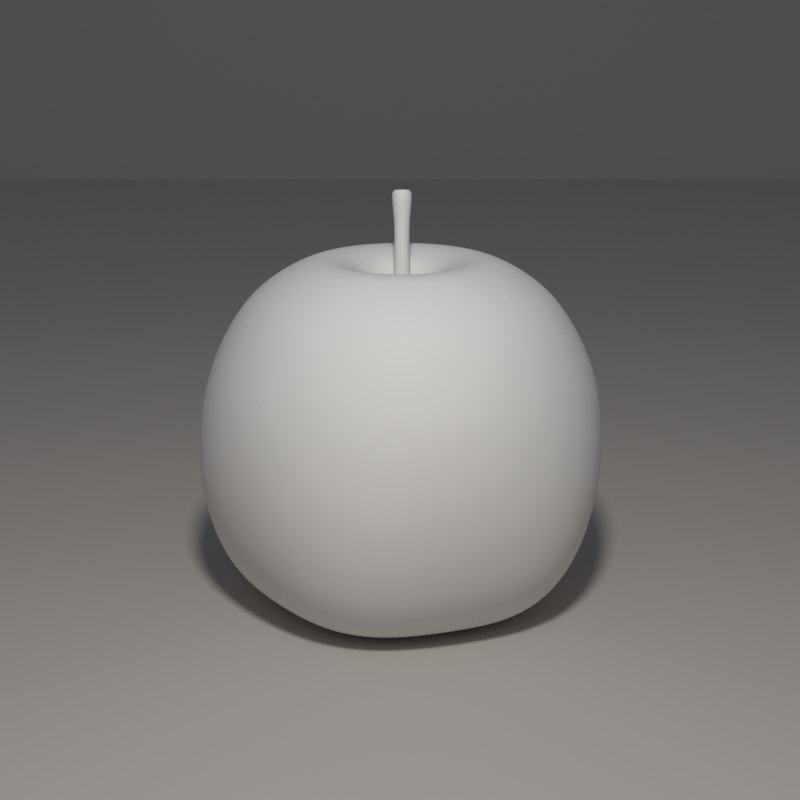
Front light removes the shadows, so the apple looks like a flat disc.
in front, 35° above · values on the form 48% to 78%
1

Front light removes the shadows, so the apple looks like a flat disc.

FROM ABOVEFROM THE SIDECAMERACAMERA
AZ 0° EL 35°
darkest 48%average 65%brightest 78%lit 61%
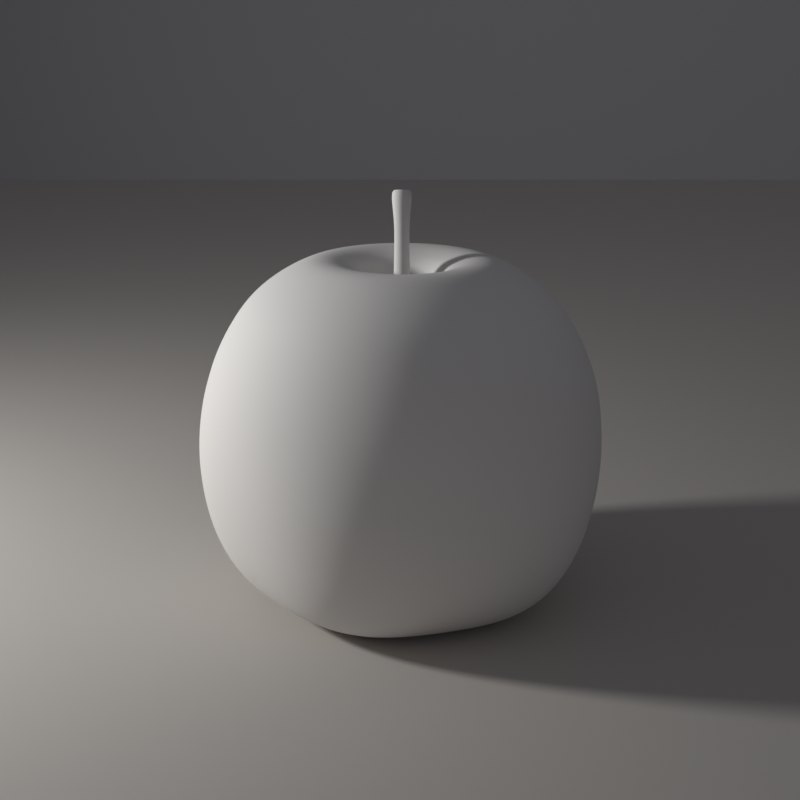
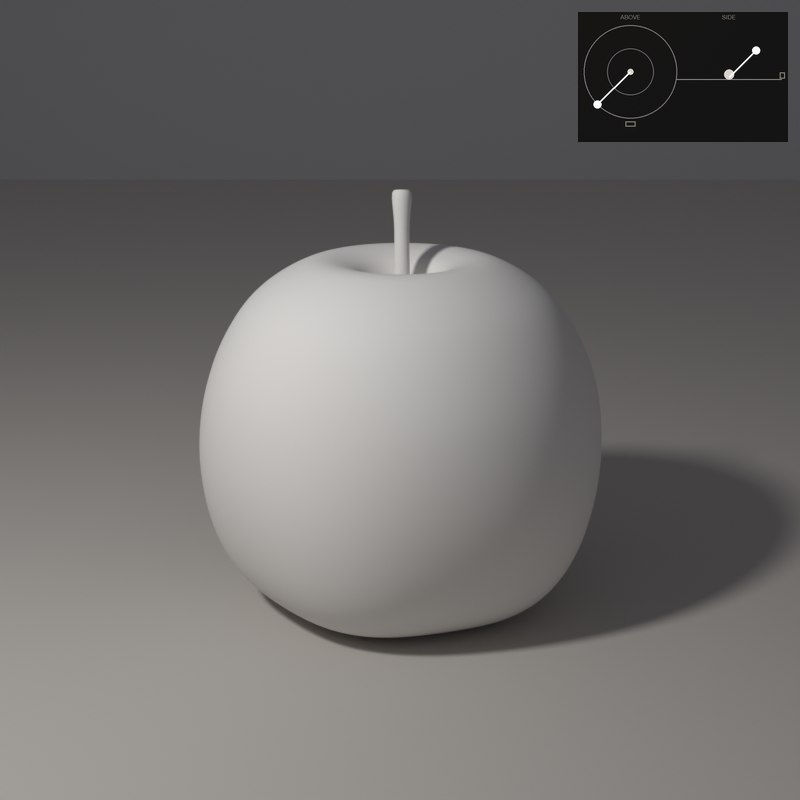
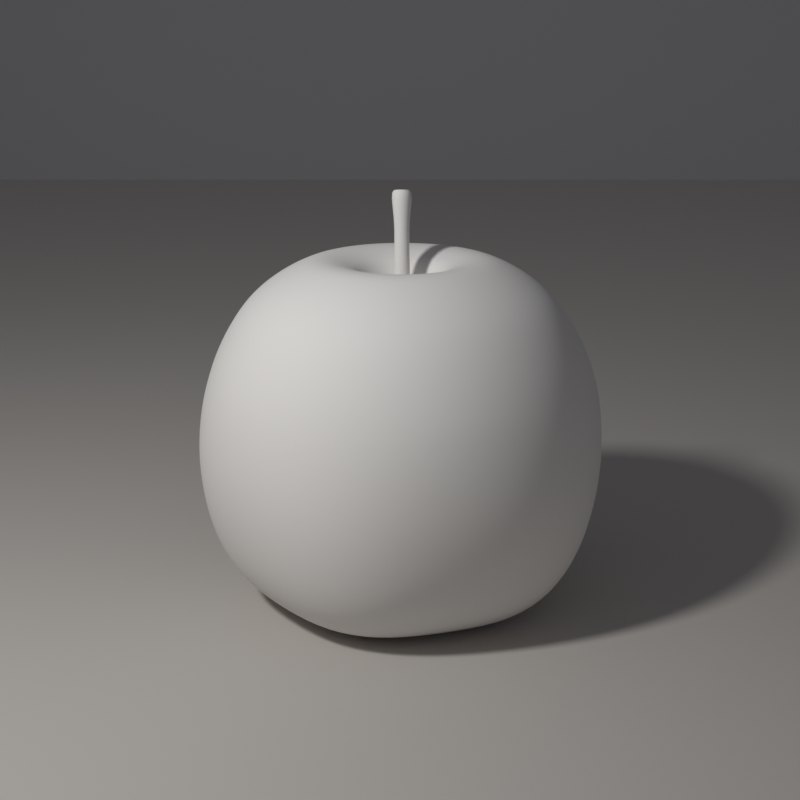
Three-quarter light (around 45 degrees, a little above) is the default of painters: it shows both the form and the surface.
45° toward the picture’s left, 35° above · values on the form 37% to 80%
2

Three-quarter light (around 45 degrees, a little above) is the default of painters: it shows both the form and the surface.

FROM ABOVEFROM THE SIDECAMERACAMERA
AZ 45° EL 35°
darkest 37%average 60%brightest 80%lit 57%
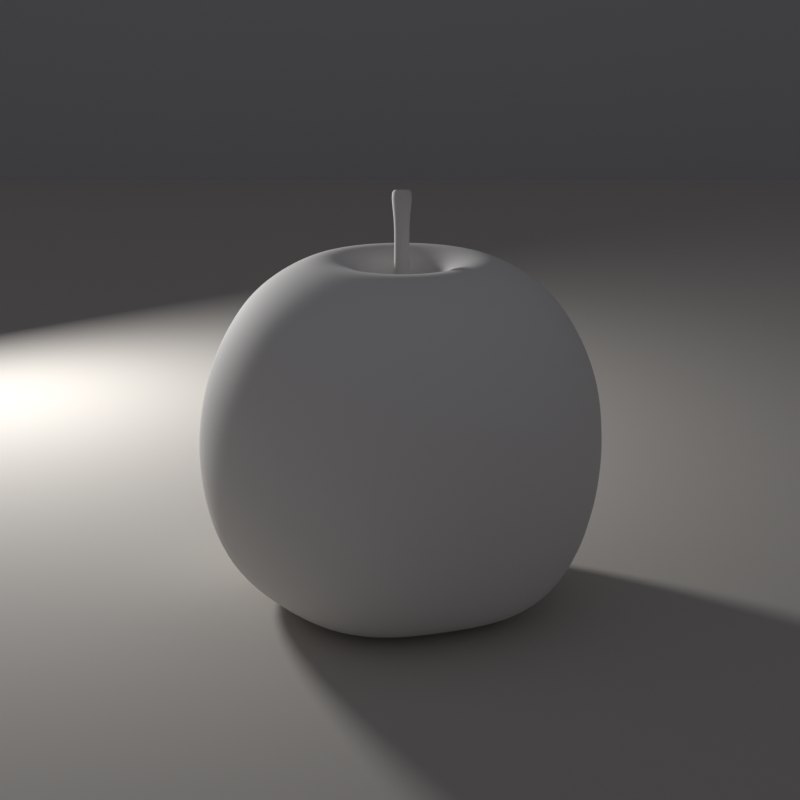
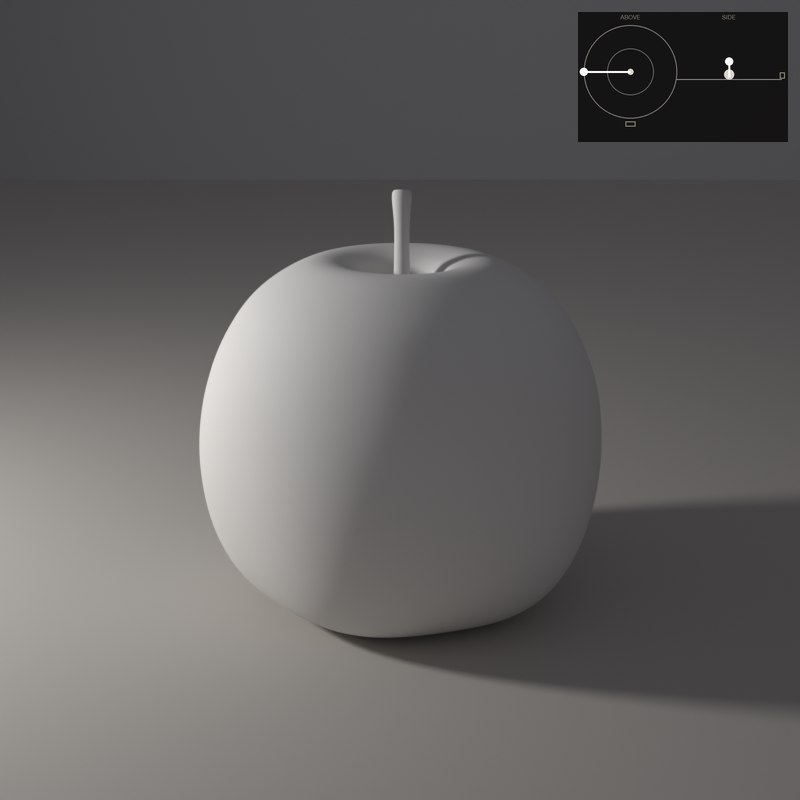
Side light makes half the apple dark. The texture and the roundness are at their strongest.
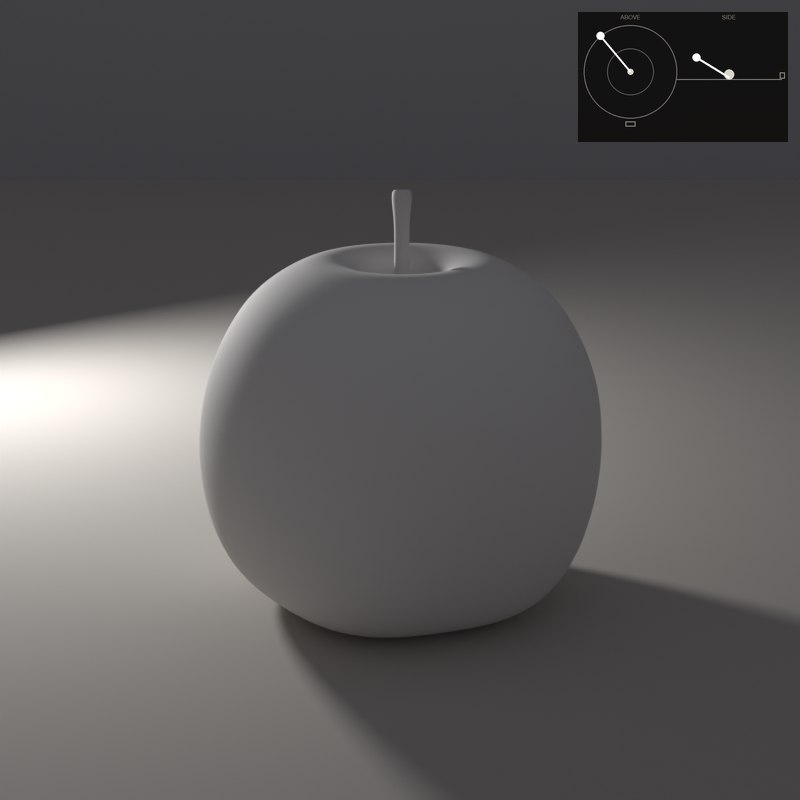
90° toward the picture’s left, 20° above · values on the form 32% to 79%
3

Side light makes half the apple dark. The texture and the roundness are at their strongest.

FROM ABOVEFROM THE SIDECAMERACAMERA
AZ 90° EL 20°
darkest 32%average 46%brightest 79%lit 28%
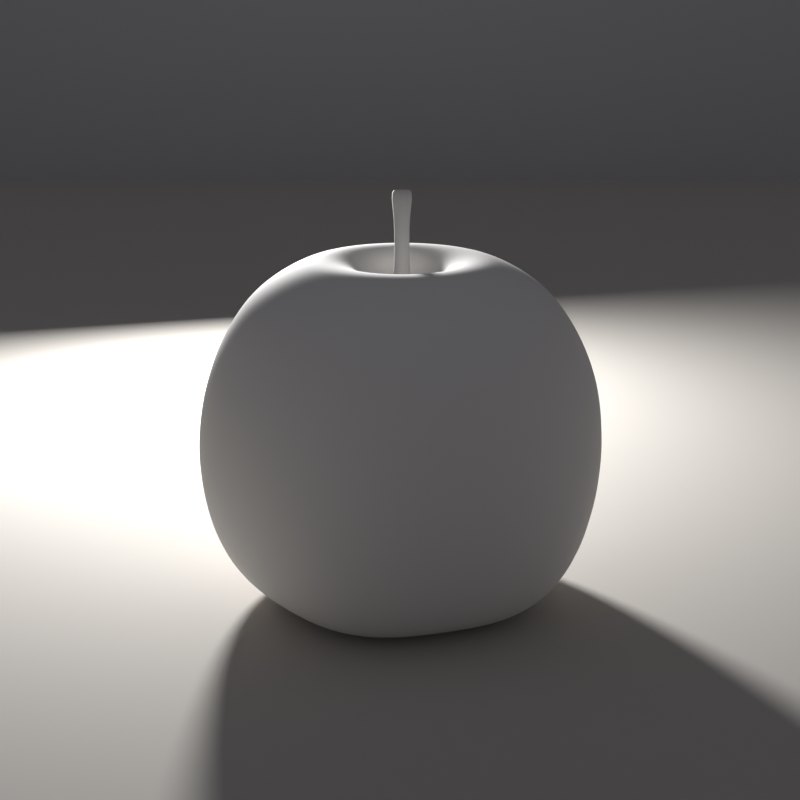
Back light leaves the front in shadow and draws a bright edge: dramatic, but you lose the face of the object.
140° toward the picture’s left, 25° above (behind the subject) · values on the form 28% to 46%
4

Back light leaves the front in shadow and draws a bright edge: dramatic, but you lose the face of the object.

FROM ABOVEFROM THE SIDECAMERACAMERA
AZ 140° EL 25°
darkest 28%average 34%brightest 46%lit 12%

Slide Direction from the front to the side to behind. The same apple reads as flat, modelled, split or rim-lit.
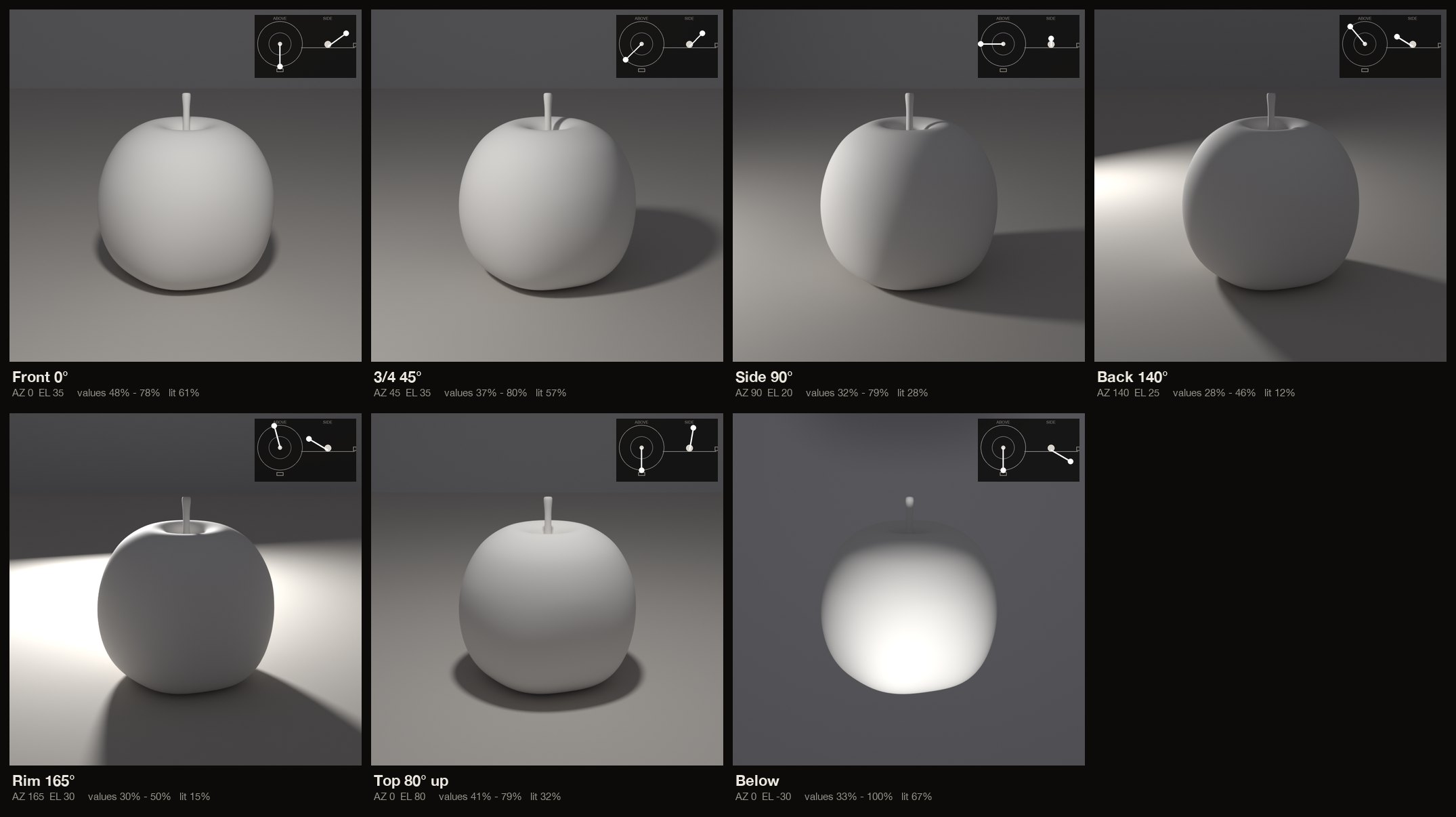
One apple, seven lamp positions
· · ·
Set-ups

The set-ups, with numbers

Each card is one lamp position: the picture it makes, a diagram of where the lamp stands (azimuth is measured from the camera: 0° is a lamp at the camera, positive turns it toward the picture’s left, 180° is straight behind; elevation is the angle above the table), and the values measured on the form itself.
Front
FrontFROM ABOVEFROM THE SIDECAMERACAMERA
AZ 0° EL 35°
darkest 48%average 65%brightest 78%lit 61%
Load in the room →
3/4
3/4FROM ABOVEFROM THE SIDECAMERACAMERA
AZ 45° EL 35°
darkest 37%average 60%brightest 80%lit 57%
Load in the room →
Side
SideFROM ABOVEFROM THE SIDECAMERACAMERA
AZ 90° EL 20°
darkest 32%average 46%brightest 79%lit 28%
Load in the room →
Back
BackFROM ABOVEFROM THE SIDECAMERACAMERA
AZ 140° EL 25°
darkest 28%average 34%brightest 46%lit 12%
Load in the room →
Rim
RimFROM ABOVEFROM THE SIDECAMERACAMERA
AZ 165° EL 30°
darkest 30%average 36%brightest 50%lit 15%
Load in the room →
Top
TopFROM ABOVEFROM THE SIDECAMERACAMERA
AZ 0° EL 80°
darkest 41%average 54%brightest 79%lit 32%
Load in the room →
Below
BelowFROM ABOVEFROM THE SIDECAMERACAMERA
AZ 0° EL -30°
darkest 33%average 74%brightest 100%lit 67%
Load in the room →
· · ·
Two traditions

In painting and in photography

In painting

Many painters like a window that faces away from the sun, because that light stays steady through the day. Where the window sits relative to the sitter is the first decision of the picture.

None
45° toward the picture’s left, 35° above · values on the form 37% to 80%
In photography

In portrait photography the key light usually starts 30 to 45 degrees to one side and a little above eye level. Moving it is the first creative decision you make.

None
90° toward the picture’s left, 20° above · values on the form 32% to 79%
· · ·
In the Light Study Room

Now you

Place the lamp at 0, 45, 90 and 150 degrees on the pad and compare. Then drag the dot on the picture itself and watch the shadow swing across the table like a clock hand.

Open this lesson in the Light Study Room

The room opens with the shape and the first set-up already loaded, and the same diagram you see here follows your lamp as you move it. Drag the lamp’s marker on the picture, or move it on the pad, and switch between Picture, Light only, Surface and Shadow. Or open it from inside the studio: the Study button in the bottom bar, then Academy lessons. The Light Study Room is a separate classroom for learning light on 3D shapes; when you are ready, “Send to studio” takes the shape into the main editor.

Exercises

  1. Photograph the same apple in your mind at 0, 45 and 90 degrees: which one shows the surface? which shows the shape?
  2. Find the angle where the rim of light first appears on the far side.
  3. Point the lamp from below. Why does it look unnatural?
· · ·
Keep reading

The masters of this idea

← The values of lightAll lessonsHard light, soft light and distance →